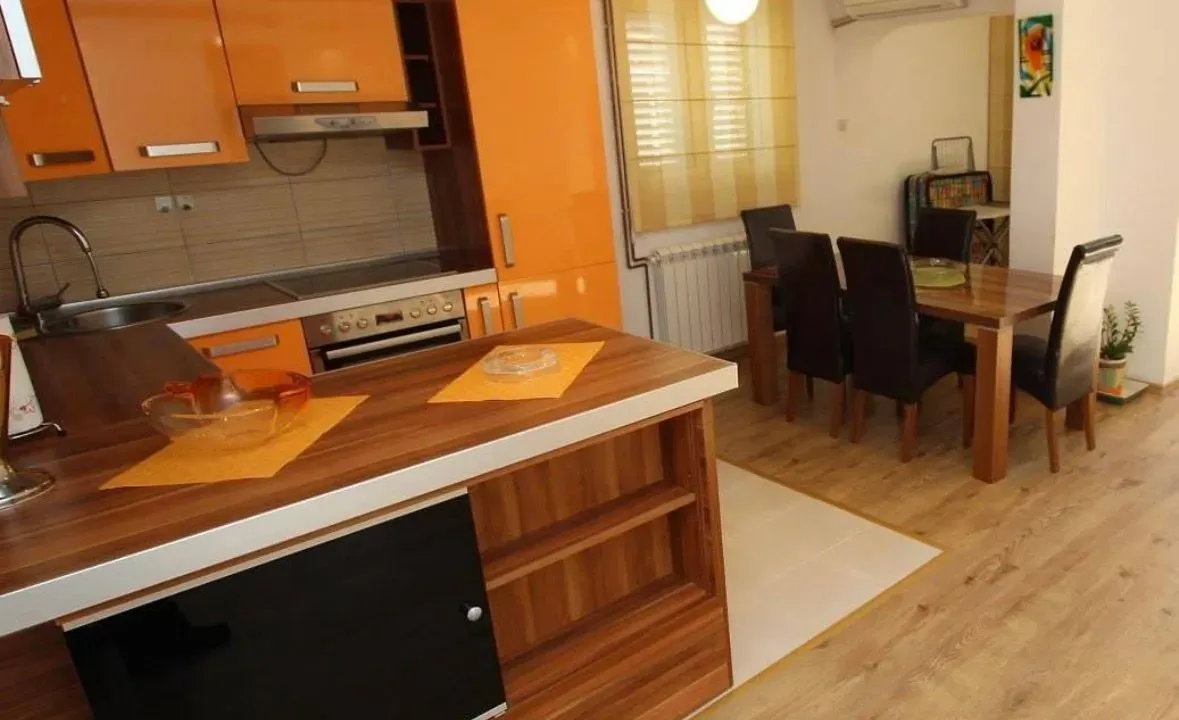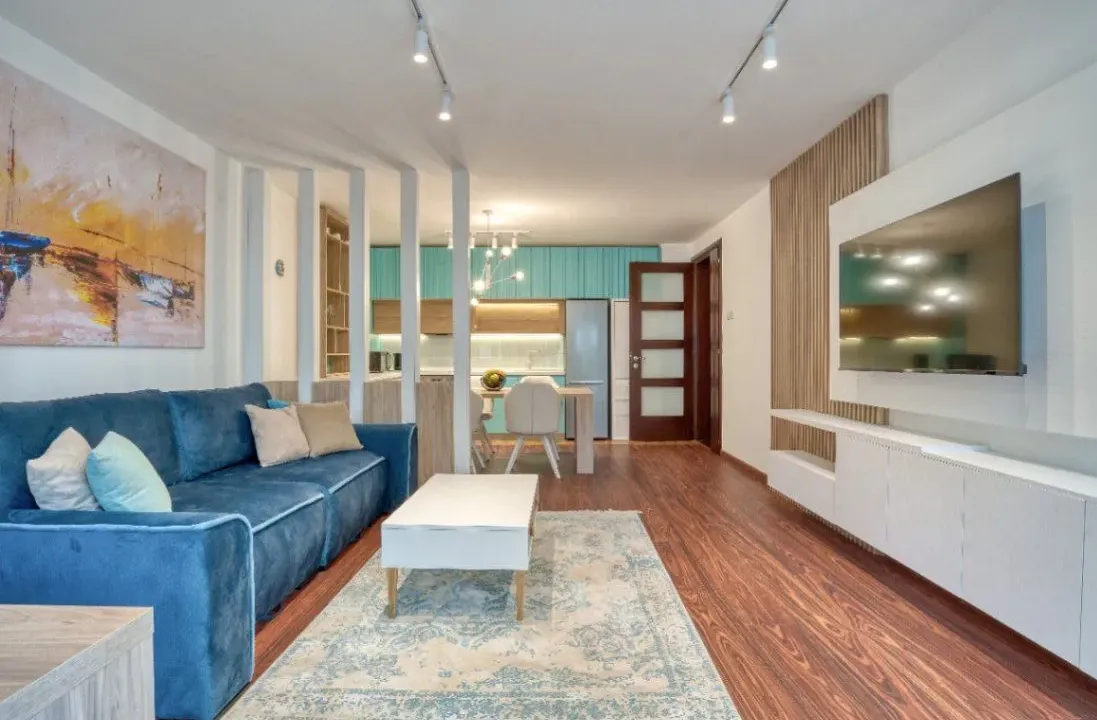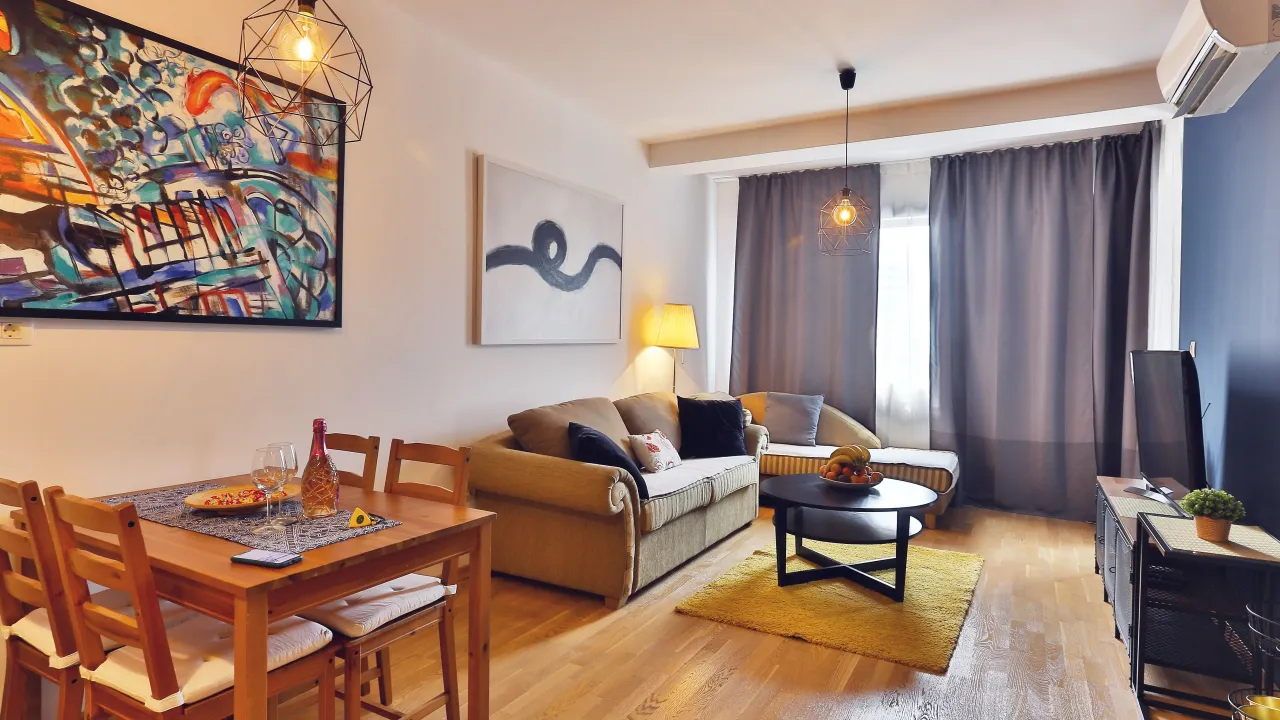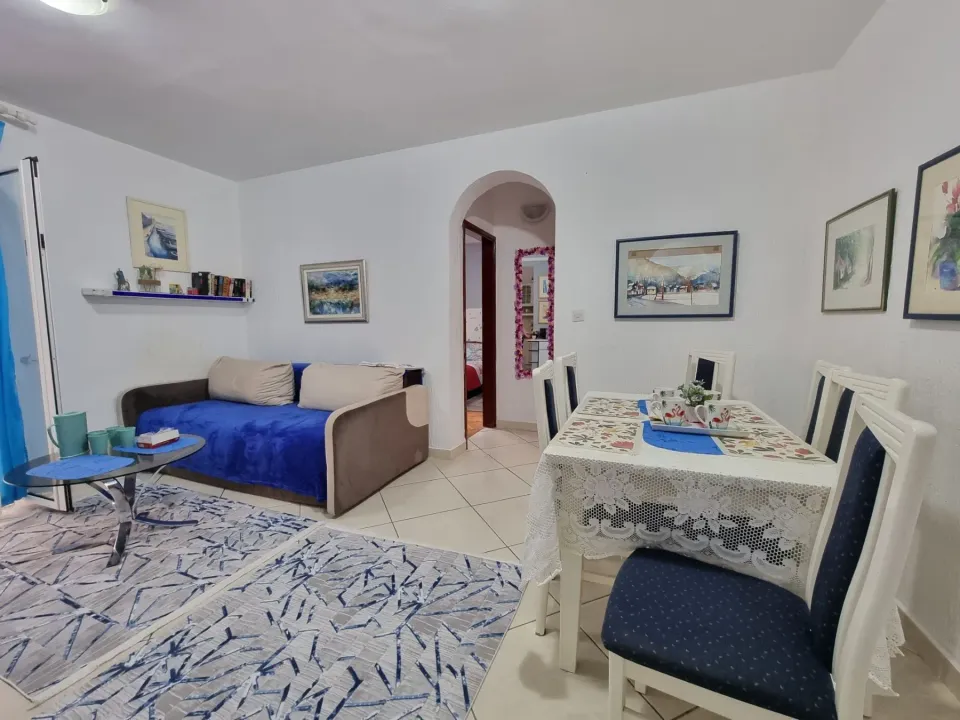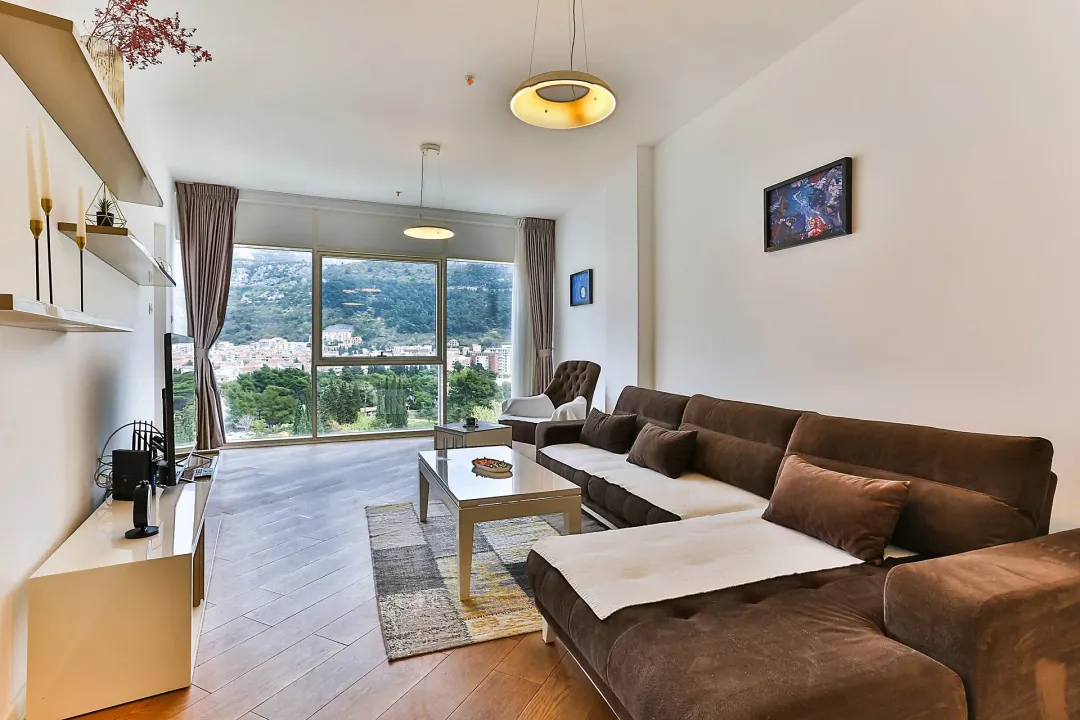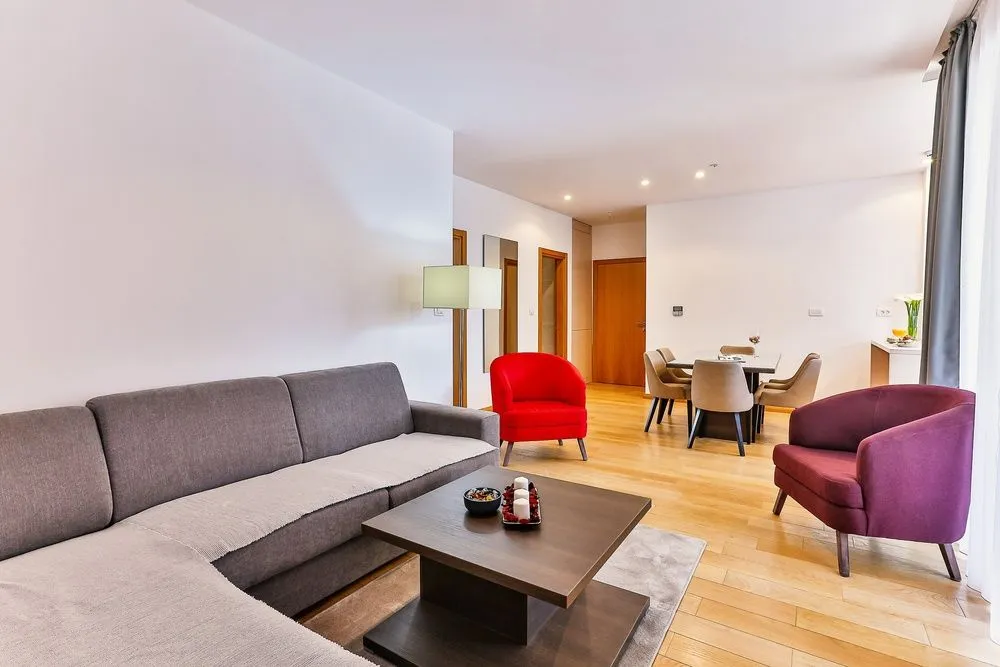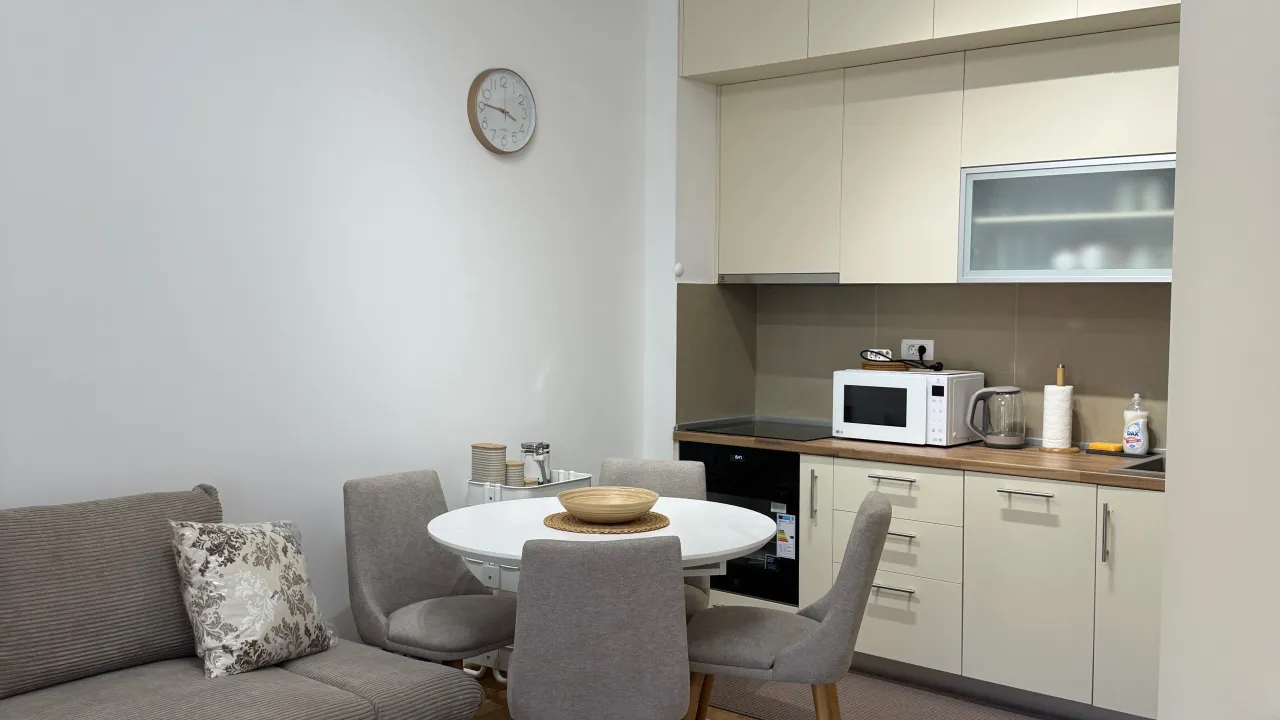
Ready Property:
Browse verified listings on Estitor.com, arrange a viewing, and if satisfied, sign a preliminary agreement with a small reservation deposit, depending on the property’s value. This deposit secures the property and temporarily removes it from the market while the main contract is prepared. Next, a notarized sales contract is signed, clearly stating payment terms and deadlines. The purchase price is typically transferred after signing, either directly to the seller or via a notary escrow account for additional security. Once the transaction is completed, ownership is registered at the Real Estate Administration (land registry) within approximately 30 days, officially transferring the title to the buyer.
Off-Plan Property (New Development)
Before purchasing, verify the developer’s reputation, building permits, and planned completion dates. Once you’ve selected an apartment, house, or villa, a notarized Sales and Purchase Agreement is signed, defining the payment structure, deadlines, and delivery terms. Buying an off-plan property — one still under construction — usually offers a lower entry price and stage-based payments, but requires thorough due diligence on the developer, permits, and contract terms. In practice, buying off-plan means:
- The buyer reserves an apartment, house, or villa while the project is still in planning or early construction.
- Prices are generally lower compared to completed properties, since buyers commit earlier.
- Payments are typically divided into several stages, linked to construction progress and defined in the contract — for example:
- 10% at signing and unit reservation,
- 40–60% during construction, in one or more installments,
- the remaining 20–30% upon project completion and before handover.
- There is potential for capital appreciation before completion.
- However, buyers should be aware of possible delays or market shifts, and always review the payment schedule and developer’s track record carefully.